


How to Extend the Life of Your Skid Steer with Proper Parts
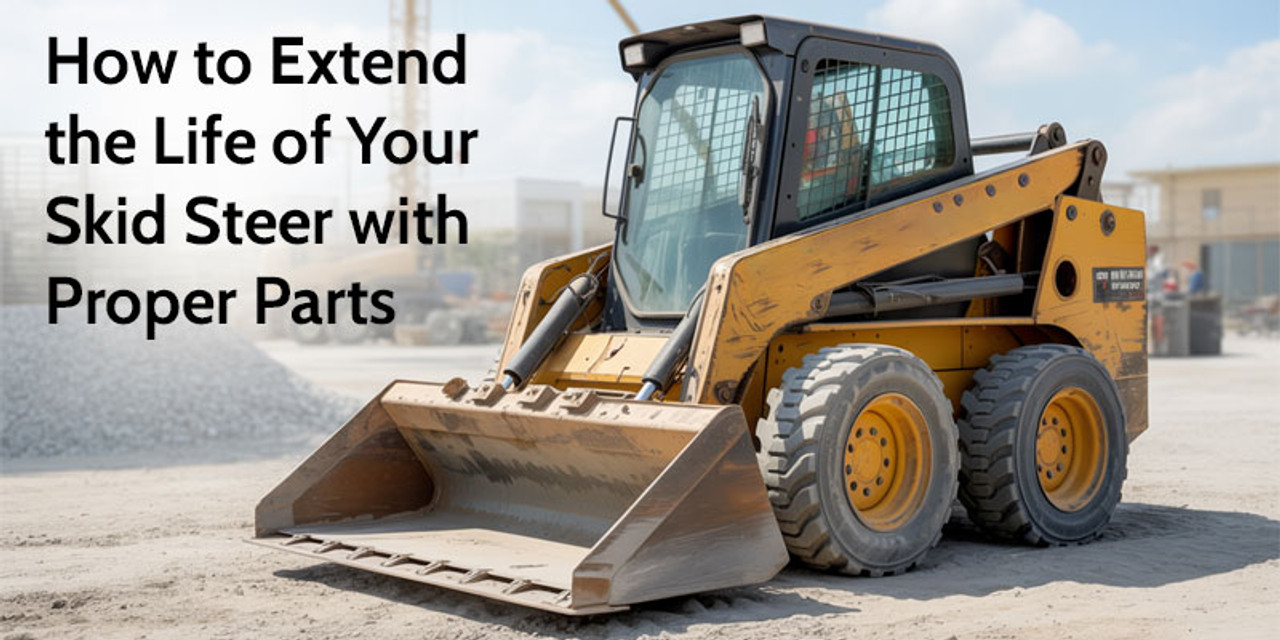
Your skid steer works day after day on rugged terrain, lifting, hauling, and digging. You must give it the proper care and attention to keep it running smoothly for years. The key? Use the correct parts and know when to replace them.
In this guide, you'll learn how to extend the life of your skid steer, spot the signs your skid steer needs new parts, and make wise choices when choosing the right skid steer parts.
Why Skid Steer Maintenance Matters?
Regular skid steer maintenance is essential to keep your equipment operating efficiently and to minimize unexpected repair costs. By performing routine checks and addressing issues early, you can avoid costly breakdowns and reduce downtime, which can impact your business operations.
Keeping track of vital components like the engine, hydraulic system, tracks, and tires ensures your skid steer remains in peak condition, preventing expensive repairs due to neglected wear and tear.
Additionally, staying ahead of maintenance tasks helps maintain optimal safety standards, reducing the risk of accidents on the job site. Regularly replacing worn-out parts at the appropriate time prevents unnecessary strain on the machine and uplifts its overall performance, saving you money.
Ultimately, a well-maintained skid steer delivers maximum productivity and reliability, providing a strong return on your investment while keeping your operations running smoothly and safely.
Most Common Skid Steer Parts to Replace
Some skid steer parts wear out faster than others. Knowing which ones to watch helps you stay ahead of significant repairs.
You’ll likely need to replace:
Hydraulic filters and fluids
Regularly changing hydraulic filters and fluids is essential for keeping your system running smoothly. Dirty or old fluids can cause system inefficiencies, increasing wear and potential hydraulic failure.
Tires or tracks
Tires and tracks endure significant wear on rough job sites. Regularly inspect them for cracks, signs of excessive wear, or slippage. Replacing damaged or worn components early can prevent costly damage to the rest of the machine.
Bucket teeth
Bucket teeth are subject to heavy wear when digging or lifting tough materials. Over time, they become worn down, affecting performance. Regularly inspecting and replacing teeth ensures optimal digging capability and reduces stress on the entire bucket assembly.
Drive belts
Fraying or slipping drive belts can severely impact your skid steer’s performance. These belts are essential for transferring power; neglecting them can cause a drop in efficiency or even breakdowns. Regular inspection and replacement are necessary for reliable operation.
Final drive motors
The final drive motors are critical for movement and torque. If these motors become weak, the machine’s ability to move efficiently is compromised. Regular inspection of the final drive motors ensures your skid steer maintains full operational capabilities and torque.
Bushings and pins
Repeated motion and heavy loads cause bushings and pins to wear down over time. Worn-out components can lead to poor machine handling and decreased performance. Regularly checking and replacing these parts helps maintain smooth and safe skid steer operation.
Signs Your Skid Steer Needs New Parts
You don’t always have to wait for a part to break before replacing it. If you notice any of the following, it’s time to act:
- Strange noises such as grinding, whining, or squealing could indicate potential mechanical issues with your skid steer.
- A decrease in hydraulic power or slow bucket response may signal a problem with the hydraulic system that needs immediate attention.
- Uneven tire or track wear indicates that your skid steer may not be properly aligned or that the tires or tracks are wearing out unevenly.
- Fluid leaks under the machine can indicate a leak in one of the fluid lines, which could lead to further damage if not addressed.
- Vibration or jerky movement while operating the machine is a warning that something may be wrong with the mechanical components, such as the drivetrain or suspension.
- If warning lights come up on the dashboard, it’s important to take immediate action. They typically indicate a malfunction or potential issue with the machine’s systems.
Address these problems early to avoid bigger issues down the road.
When to Replace Skid Steer Parts
You should follow the manufacturer’s maintenance schedule and watch for wear based on your usage. Here’s a general guide:
- Every 250 hours – At this interval, it’s essential to check the fluids, filters, belts, and pins to ensure they are in good condition and functioning correctly.
- Every 500 hours – Inspect and replace any worn tires or tracks, and check the hydraulic parts for signs of wear or damage that may need attention or replacement.
- Annually or after heavy use – Conduct a thorough inspection of the entire machine, looking for signs of wear and damage to ensure all components function optimally and no issues develop.
Keep a log of all part replacements and services. This helps you plan and extend the life of your machine.
Choosing the Right Skid Steer Parts
Not all parts are created equal. To protect your investment, follow these tips:
- Stick with OEM or trusted aftermarket brands – Choosing Original Equipment Manufacturer (OEM) parts or aftermarket brands for your skid steer is advisable. Cheap, generic parts may fail sooner, potentially leading to more expensive repairs in the future.
- Match parts to your model – Always double-check the parts' compatibility with your specific skid steer model before purchasing. Using the wrong parts lead to poor performance or damage to your machine.
- Buy from a reputable supplier – When purchasing parts, buy from a reputable supplier that offers expert support, fast shipping, and quality assurance. This ensures you receive the correct parts quickly and with confidence in their reliability.
- Consider your work environment—When selecting parts, consider the conditions of your work environment. For muddy or rocky terrain, choose heavy-duty components specifically designed to withstand harsh conditions and improve the durability of your skid steer.
Using the right parts ensures better performance and longer life for your skid steer.
How to Extend the Life of Your Skid Steer?
Here’s what you can do to keep your machine going strong:
Perform Daily Inspections Before Use
It’s essential to thoroughly inspect your skid steer every day before use, checking for any visible damage, fluid levels, and overall condition to ensure safe and efficient operation.
Replace Worn Parts Early, Not After Failure
Replacing worn parts if there is damage, rather than waiting for failure, helps prevent larger issues and keeps your machine running smoothly, avoiding costly repairs down the line.
Use The Proper Hydraulic Fluids And Filters
Always use the recommended hydraulic fluids and filters for your skid steer to ensure the system operates efficiently and is protected from contaminants that can cause damage.
Store Your Skid Steer Indoors When Possible
Store your skid steer indoors to protect it from weather conditions that can cause premature wear, rust, or damage to sensitive components.
Keep A Strict Maintenance Schedule
Adhering to a strict schedule ensures that all parts of your skid steer are correctly maintained, minimizing the chances of sudden breakdowns and extending the life of your machine.
Use High-Quality, Compatible Replacement Parts
Always use high-quality, compatible replacement parts to ensure your skid steer's continued performance and reliability, as subpar parts can lead to further mechanical issues.
Final Thoughts
Your skid steer is one of the hardest-working machines on your jobsite. When you know how to extend your skid steer's life and when to replace skid steer parts, you get more done, avoid expensive repairs, and stay on schedule.
Always look for signs that your skid steer needs new parts, and don’t cut corners when choosing the right ones. With the right care, your machine will pay you back with years of reliable performance.
Need high-quality skid steer parts you can trust? Shop with CR Components, which understands your needs and supports your work from the ground up.


Explore Popular Articles
-
How to Extend the Life of Your Skid Steer with Proper Parts
Jun 13th 2025Your skid steer works day after day on rugged terrain, lifting, hauling, and digging. You must give
-

How to Rebuild a Track Loader Final Drive Gearbox (Case, New Holland, John Deere)
May 20th 2025If you're dealing with a worn-out or leaking final drive on your compact track loader, this step-by-
-
Step-by-Step Guide to Installing Brake Discs on a Bobcat Hydrostatic Drive Motor
Mar 18th 2025Maintaining the braking system of your Bobcat skid steer loader is crucial for ensuring optimal perf